
Summer storms in the United States can be unpredictable. One minute, you are enjoying a sunny afternoon, and the next, the sky turns dark and ice starts falling from the clouds. When hail hits your house, it sounds like someone is throwing handfuls of gravel at your roof. Once the storm passes and the sun comes back out, most homeowners breathe a sigh of relief. If the windows aren’t broken and the cars look okay, they assume their house survived without a scratch.
However, your roof is the “front line” of defense against a storm. Even small hailstones can cause serious damage that you can’t see from the sidewalk. If left alone, these tiny bruises and cracks can turn into major leaks, mold growth, and expensive structural problems. By the time you see a water stain on your ceiling, the damage has already been there for months.
In this guide, we are going to teach you how to be a “storm detective.” We will look at the different types of hail damage, how to safely inspect your property, and the secret signs that tell you it’s time to call a professional. By the end of this article, you will know exactly how to protect your home’s most important asset: the roof over your head.
1. Safety First: The “Ground-Up” Rule
Before we talk about shingles and gutters, we have to talk about safety. After a major storm, you might be tempted to grab a ladder and climb up to the peak of your roof immediately. Stop. Unless you are a trained professional with the right safety gear, you should stay on the ground.
- Wait for Dryness: Never walk on a wet roof. Wet shingles are incredibly slippery, and a fall from even a single-story house can be life-changing.
- Look for Power Lines: Storms often knock down branches and wires. Make sure there are no downed power lines touching your house or your gutters before you go outside.
- Use Binoculars: You can see about 90% of what you need to see using a good pair of binoculars from the safety of your lawn. It’s safer, faster, and much easier on your knees.
2. Checking the “Collateral Damage”
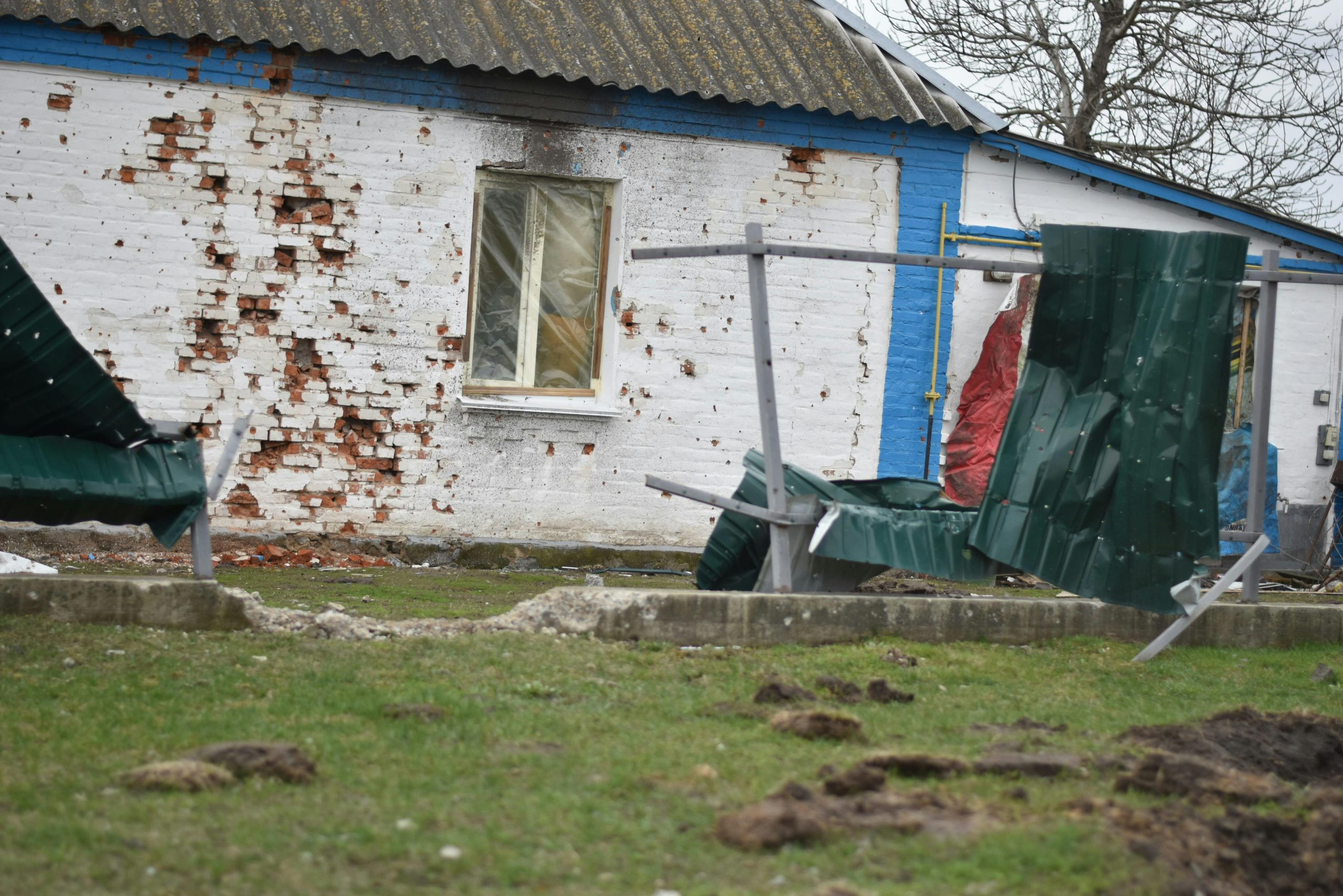
One of the best ways to tell if your roof was hit hard is to look at the things that are easier to reach. If the items at ground level are dented, there is a very high chance your roof is damaged, too.
- The Gutters and Downspouts: Gutters are made of thin aluminum. High-speed hail leaves small, round dents in the metal. Check the “flashing” (the metal trim) around your windows as well.
- Air Conditioning Unit: The “fins” on your AC unit are very delicate. If the hail was large enough to bend the metal fins on your air conditioner, it was definitely large enough to damage your shingles.
- Decks and Fences: Look at your wooden fence or deck. Does it look like someone hit it with a tiny hammer? If the hail “chipped” the paint or stain off the wood, it likely did the same to the protective granules on your roof.
- Window Screens: Check your screens for small holes or tears. Also, look at the plastic “beading” around the windows for cracks.
3. Understanding Shingle Damage: The “Bruise”
Most homes in the US use asphalt shingles. These shingles are covered in tiny, sand-like “granules.” These granules aren’t just for color; they protect the shingle from the sun’s UV rays. When hail hits a shingle, it creates a “bruise.”
- Loss of Granules: The most common sign of hail damage is a bald spot on the shingle where the granules have been knocked off. You can often see these granules piling up at the bottom of your downspouts after a heavy rain.
- The Dark Spot: A hail hit usually looks like a dark, circular spot. This is the “under-layer” of the shingle showing through. If the spot feels soft or “mushy” like a bruised apple, the internal structure of the shingle is broken.
- Cracking: Large hail can cause “radial cracking.” This looks like a spiderweb pattern of cracks spreading out from the center of the hit. This is a “total failure” of the shingle and will leak very soon.
4. Metal, Tile, and Wood Roofs
While asphalt is the most common material, other types of roofs show hail damage in different ways:
- Metal Roofs: On a metal roof, hail damage is usually cosmetic. You will see small dents (pockmarks). While these don’t always cause leaks, they can lower the value of your home. However, large hail can “open up” the seams where the metal panels meet, which will cause a leak.
- Wood Shakes: Hail causes wood to split. If you see clean, light-colored wood inside a split, that means the damage is new and was likely caused by the storm.
- Clay or Slate Tiles: These are very tough, but they are also brittle. Hail will cause these tiles to “star” or crack. A single cracked tile can allow water to seep into the wood underneath.
5. Why You Shouldn’t Wait: The “Slow Leak”
Homeowners often think, “If it isn’t leaking into my living room, it’s fine.” This is a dangerous mistake. Hail damage is a “progressive” problem.
When the granules are knocked off, the asphalt underneath is exposed to the sun. The sun “bakes” the asphalt, making it dry and brittle. Within a few months, the shingle will begin to curl and shrink. This creates a gap where water can get in. By the time you notice a leak, the wood “decking” under the shingles might already be rotting.
Catching hail damage early through a yard clean up and a quick visual inspection can save you from having to replace the entire wooden structure of your roof later.
6. The Insurance Timeline
Most homeowners’ insurance policies cover hail damage, but they have a “statute of limitations.” This means you usually have a specific window of time (often one year) to file a claim after a storm.
- Document the Date: If a big storm hits, write down the date and time. Take pictures of the hailstones next to a ruler or a coin to show how big they were.
- Get an Inspection: Most roofing companies will do a “free inspection” after a storm. They want the work, so they will be very thorough in looking for damage.
- The Adjuster: Your insurance company will send an “Adjuster” to look at the roof. Having your own roofing contractor there at the same time is a great idea. They can point out the damage to the adjuster to make sure nothing is missed.
7. DIY Roof Maintenance After the Storm
While you are looking for hail damage, take a few minutes to do some basic maintenance. This helps your roof stay strong even if it wasn’t hit by ice.
- Clean the Gutters: Hail often knocks leaves and twigs off the trees. These can clog your gutters, causing water to back up under your shingles.
- Check the “Flashings”: Look at the metal around your chimney and in the “valleys” (the places where two parts of the roof meet). These are the most common places for leaks to start.
- Scan for Missing Shingles: High winds often go hand-in-hand with hail. If you see shingles lying in your yard, your roof’s “sealant” has failed, and your house is vulnerable to the next rain.
8. Choosing a Roofer: Avoiding “Storm Chasers”
After a big hail storm, you might see “Storm Chasers” in your neighborhood. These are companies that travel from state to state following bad weather. They often knock on doors and offer “free roofs.”
- The Risk: Some of these companies do “fast and cheap” work. Once they get paid by your insurance, they move on to the next town. If your roof starts leaking six months later, you won’t be able to find them.
- The Solution: Hire a local roofing company with a permanent office in your town. Check their reviews and make sure they are licensed and insured in your state. A local company cares about their reputation in the community and will be there if you have a problem later.
9. Modern Materials: Hail-Resistant Roofs
If you live in a part of the US that gets a lot of hail (like the “Hail Alley” in the Midwest), you might want to consider “Class 4” shingles during your next makeover.
- The Class 4 Standard: These shingles are tested by dropping heavy steel balls on them to simulate hail. They are designed to bounce back rather than crack.
- The Insurance Discount: Many insurance companies will give you a significant discount on your monthly premium if you install a hail-resistant roof. Over ten years, the insurance savings can actually pay for the extra cost of the shingles!
10. Creating an “After-Storm” Kit
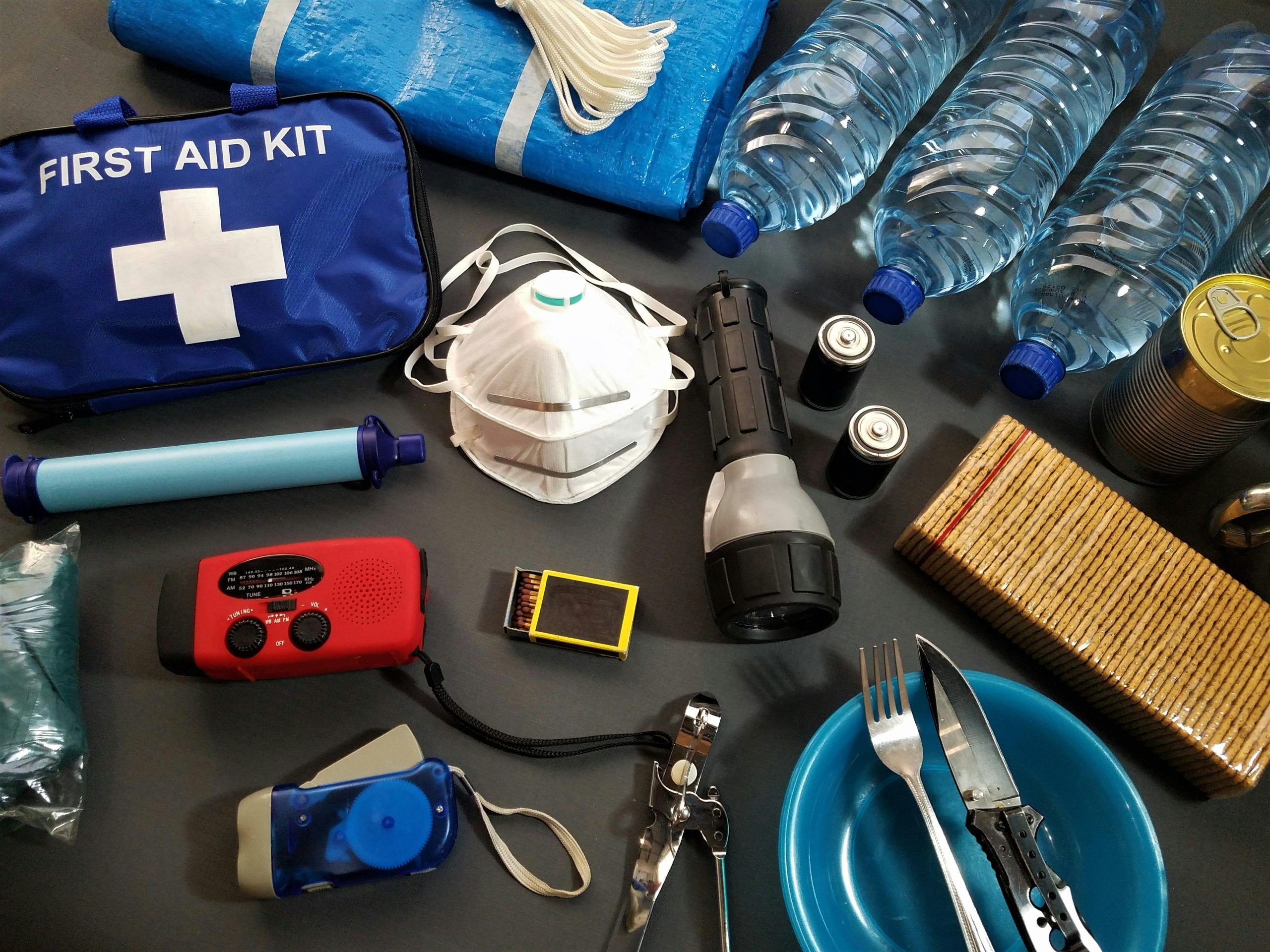
Be ready for the next one! Keep a small kit in your garage that includes:
- A high-quality pair of binoculars.
- A digital camera or a fully charged phone.
- A ruler (to measure hail size).
- The phone number of your insurance agent and a trusted local roofer.
Having these items ready will help you stay calm and act fast the next time the sky turns gray.
Conclusion
A hail storm is a scary event, but the damage doesn’t have to be a disaster. By staying on the ground, using your binoculars, and looking for “collateral damage” on your AC unit and gutters, you can spot problems before they turn into leaks.
Remember: your roof doesn’t have to look “destroyed” to be damaged. Those small, soft bruises are the beginning of a much bigger problem. Take the time to do a quick inspection after every major storm. Your roof protects everything you own—make sure you are giving it the attention it deserves.
A little bit of detective work today can save you thousands of dollars tomorrow. Stay safe, stay observant, and keep your home’s exterior in tip-top shape!