For most homeowners, the roof is out of sight and out of mind. We trust it to keep us dry during summer thunderstorms and warm during winter blizzards. We only really think about it when we hear a strange “drip, drip, drip” in the attic or see a dark stain forming on the living room ceiling. But by the time a leak shows up inside your house, the damage has already been happening for a long time.
Waiting until a major storm hits to find out your roof is weak is a recipe for disaster. When the wind is howling at 60 miles per hour and the rain is pouring down, it is too late to call a roofer. The best time to deal with a failing roof is during the “calm before the storm.” Replacing your roof on your own schedule allows you to choose the best materials, find the right contractor, and save money by avoiding emergency repair fees.
In this guide, we are going to look at the warning signs that your roof is nearing the end of its life. We will talk about the best times of year to schedule a replacement and how to prepare your home for the next big storm season. By the end of this article, you will know exactly when to “pull the trigger” on a new roof to keep your family safe and dry.
1. The Age Factor: The 20-Year Rule
The most obvious sign that you need a new roof is the calendar. Most standard asphalt shingle roofs are designed to last between 20 and 25 years.
- The Countdown: If your roof was installed 18 years ago, it might still look “okay” from the ground, but the materials are reaching their breaking point. The oils in the asphalt have dried out, making the shingles brittle and prone to cracking.
- The “Overlay” Problem: If your current roof was installed over an older layer of shingles (a “re-roof”), it will likely only last 15 to 20 years. Double-layered roofs trap more heat, which “cooks” the shingles from the bottom up.
- Check the Neighbors: If you live in a neighborhood where all the houses were built at the same time, and you see your neighbors getting new roofs, it is a big signal that yours is likely due for a replacement as well.
2. Physical Warning Signs: The “Binocular Inspection”
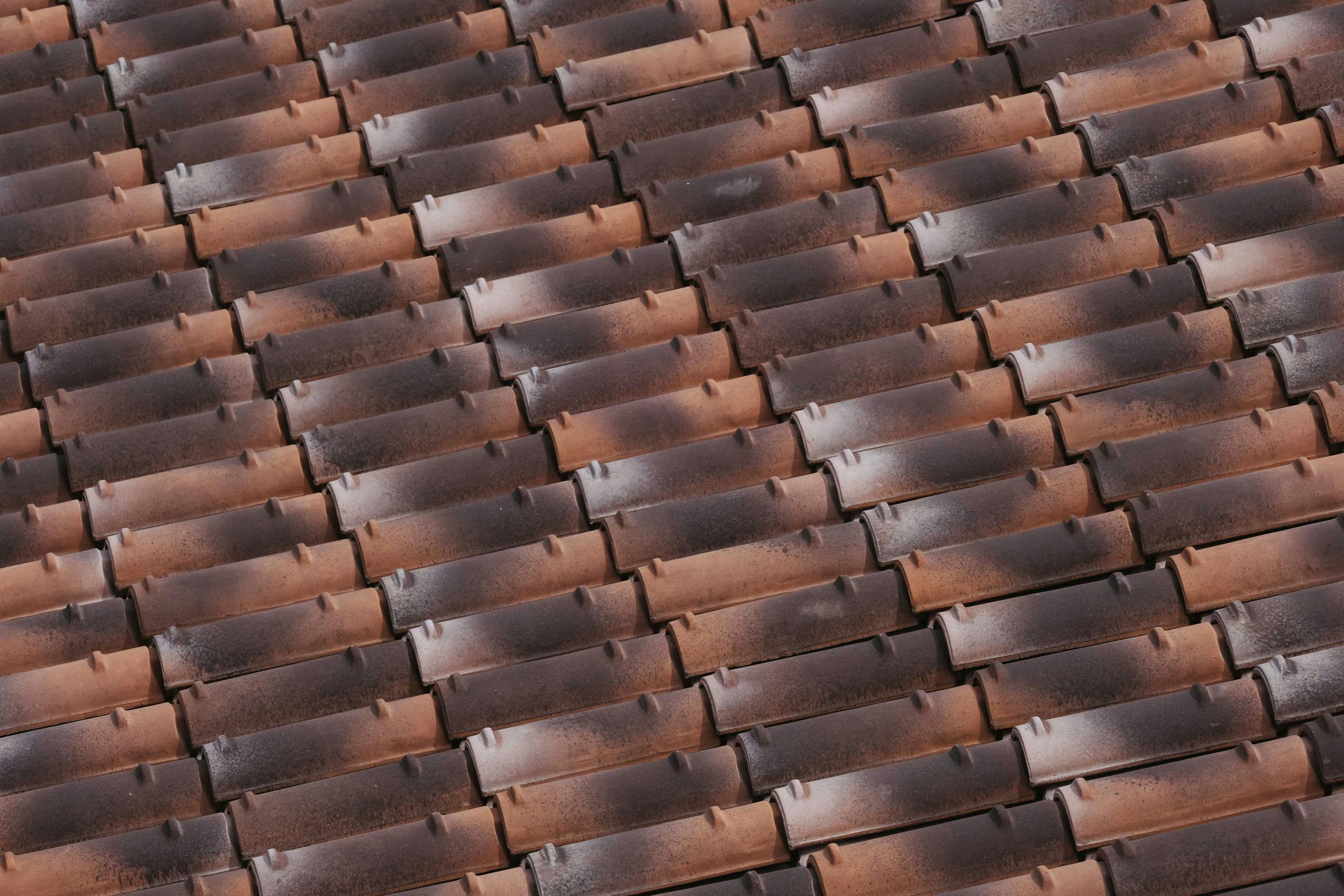
You don’t need to climb a ladder to see if your roof is struggling. Grab a pair of binoculars and walk across the street to get a good look at your shingles.
- Curling and Cuping: Look at the edges of the shingles. Are they turning upward like the edges of a dry leaf? This is a sign that the shingles are no longer shedding water properly.
- Missing Granules: Asphalt shingles are covered in tiny rocks that protect them from the sun. If you see “bald spots” where the shingles look smooth or shiny, they have lost their protective coating.
- Cracked or Missing Shingles: If a single storm has blown off a few shingles, you might be able to repair them. But if you see cracks running through dozens of shingles, the entire roof system is failing.
- The “Taco” Effect: In some cases, the shingles will start to “hump up” in the middle. This often means the wood underneath (the decking) is warping from moisture.
3. Indoor Clues: What Your Attic is Telling You
Your attic is the “early warning system” for your roof. Once or twice a year, grab a flashlight and head upstairs during a heavy rainstorm.
- Light Peeking Through: If you can see daylight coming through the roof boards, water can get through, too. Even a tiny pinhole of light is a major problem.
- Water Stains: Look for dark streaks or “rings” on the wooden rafters. These are signs of slow, consistent leaks that happen every time it rains.
- Sagging Decking: If the roof boards look like they are “dipping” between the rafters, the wood has been weakened by rot. This is a structural emergency that needs to be fixed before the weight of a heavy snow or high wind hits.
4. Dealing with the Aftermath: Hail Damage Roof Concerns
If your area has recently had a severe weather event, you need to check for a hail damage roof immediately. Hail is one of the leading causes of premature roof failure. Unlike wind, which might blow a shingle off, hail “bruises” the roof.
These bruises look like small, dark pits in the shingles. They knock away the protective granules and crack the internal fiberglass mat. If you ignore hail damage before the next storm season, those bruised spots will turn into leaks when the next round of heavy rain arrives. If you find these marks, it is often better to replace the roof through an insurance claim now rather than paying for a total replacement out of your own pocket later.
5. The Best Time of Year for Replacement
Timing is everything when it comes to a home improvement project of this size.
- The Spring Rush: Many people wait until spring to replace their roof. While the weather is good, this is also the busiest time for roofers. You might have to wait weeks for an opening, and prices may be higher.
- The Summer Heat: Replacing a roof in July can be tough. The asphalt shingles can become “too soft” in the 95-degree heat, making them easy to scuff or damage during installation.
- The Autumn “Sweet Spot”: Fall is often considered the best time for a roof replacement. The air is cooler, which is safer for the workers, and the shingles have time to “seal down” and bond together before the freezing winter temperatures arrive.
- The Winter Risk: In very cold climates, roofers use “cold-weather” techniques. However, shingles need a bit of sun and heat to stick together properly. If you can avoid a winter replacement, you should.
6. Why You Shouldn’t Wait for the Next Storm
It is tempting to say, “I’ll wait and see if it survives one more season.” Here is why that is a gamble:
- Insurance Rates: If your roof is over 20 years old, some insurance companies will stop covering it for “replacement value” and only cover “actual cash value.” This means they will pay you much less if a storm damages it.
- Mold and Rot: A small leak that happens during one storm season can lead to a massive mold problem in your walls. Remediation (cleaning up mold) can cost twice as much as the roof itself.
- Emergency Fees: If your roof fails during a hurricane or a major blizzard, every roofer in town will be busy. You will likely pay “emergency rates” for a temporary tarp, and you might wait months for a permanent fix.
7. Preparing for the Storm: The Gutters and Flashing
A new roof is only as good as the systems around it. When you replace your roof, you should also look at your “water management” system.
- Flashing: This is the metal trim around your chimney, vents, and valleys. It is often the first thing to leak. Make sure your roofer replaces all the old flashing rather than just “caulking” over it.
- Gutter Capacity: If you are getting a new roof, it is the perfect time to upgrade your gutters. Larger, “seamless” gutters can handle the heavy “downpours” that come with modern storm seasons, preventing water from backing up under your new shingles.
8. Choosing “Storm-Ready” Materials
If you are replacing your roof, you have a chance to upgrade to materials that are built to handle the next generation of weather.
- Impact-Resistant Shingles: These are designed to withstand hail and flying debris. While they cost a bit more, they can lower your insurance premiums and give you peace of mind.
- High-Wind Warranties: Look for shingles that are rated for 130 mph winds. This is especially important if you live in a coastal area or an open plain.
- Synthetic Underlayment: In the old days, roofers used “felt paper.” Modern roofs use synthetic fabric under the shingles. It is much stronger and won’t tear away if a shingle blows off, providing an extra “safety net” for your home.
9. Finding the Right Contractor
A roof is only as good as the person who installs it. Before the storm season hits, do your homework.
- Local Reputation: Hire a company that has been in your town for at least five years. They will be around to honor their warranty if something goes wrong.
- Licensing and Insurance: Never hire a roofer who doesn’t have “General Liability” and “Workers’ Comp” insurance. If an uninsured worker falls off your roof, you could be held responsible for their medical bills.
- The “Total System” Approach: A good contractor won’t just talk about shingles. They will talk about ventilation, insulation, and the health of your roof’s “decking.”
10. The Final Walkthrough: Peace of Mind
Once your new roof is installed, you can look at the dark clouds on the horizon without fear. You have protected your home’s structure, preserved its value, and ensured your family’s safety.
- The Clean Up: Make sure the contractor uses a “magnetic sweep” to pick up all the stray nails in your yard. You don’t want a flat tire or a hurt foot after the project is done.
- The Warranty Packet: Keep all your paperwork in a safe place. If you ever sell your house, a brand-new roof with a transferable warranty is a massive selling point.
Conclusion
Your roof is a shield, but every shield eventually wears out. If your roof is approaching the 20-year mark, or if you have seen the warning signs of curling, balding, or internal leaks, the time to act is now. Don’t wait for the first siren of the storm season to realize you have a problem.
Replacing a roof is a big investment, but it is much cheaper than repairing a house that has been ruined by a major leak. By being proactive, checking for signs of age, and watching out for hidden issues like hail damage, you can take control of your home’s future.
Stay ahead of the weather. A new roof isn’t just a home improvement project—it is a “safety project” that lets you sleep soundly no matter how hard the wind blows outside.