Choosing the right roof for a modern home is more than just a design decision—it’s a long-term investment in protection, efficiency, and property value. Today’s homeowners have more options than ever before, from traditional materials to cutting-edge systems designed to improve energy performance and durability. The challenge lies in understanding which option aligns best with your home’s structure, your climate, and your long-term goals. With so many choices available, it can feel overwhelming to determine which solution truly fits your needs. Taking the time to research and plan carefully can make a significant difference in both short-term satisfaction and long-term results.
This guide breaks down the most effective roofing choices for modern homes and offers practical, actionable advice to help you make informed decisions. Whether you’re building new or upgrading an existing structure, the right approach can save money, reduce maintenance, and improve comfort for years to come.
Assess Your Home’s Structure Before Choosing Materials
Before selecting materials or styles, you need a clear understanding of your home’s structural capabilities. Not every roof type works for every house, and overlooking this step can lead to costly issues down the line. A thoughtful evaluation early on helps prevent expensive adjustments later. Many homeowners underestimate how much structural integrity impacts long-term performance and safety. Ensuring your home can properly support your chosen system is one of the most important early decisions you’ll make.
A qualified roofing contractor can evaluate critical factors such as load-bearing capacity, roof pitch, and ventilation. These elements directly impact which materials are safe and effective for your home.
Key factors to evaluate:
- Roof pitch: Steeper roofs handle water runoff better, while low-slope designs require specialized systems
- Weight tolerance: Heavier materials like tile or slate need reinforced framing
- Climate exposure: Wind, snow, and heat all influence structural needs
- Ventilation and insulation: Poor airflow can shorten roof’s lifespan
Actionable tips:
- Schedule a professional inspection before planning any roofing installation
- Ask for a structural report if switching to heavier materials
- Consider future upgrades when evaluating current capacity
Taking the time to understand your home’s structure ensures that your chosen system will perform well and last longer. It also helps you avoid unnecessary complications during installation. This preparation ultimately leads to a smoother project and fewer surprises along the way.
Understand the Long-Term Value of Your Roofing Investment
A roof is not just an upfront expense—it’s a long-term financial decision that impacts your home for decades. Many homeowners focus only on initial costs, but overlooking long-term value can lead to higher expenses over time. Evaluating durability and maintenance early helps you make a smarter investment. It’s important to look beyond price tags and consider how your roof will perform year after year. Making a well-informed decision now can significantly reduce stress and unexpected costs later.
When evaluating value, consider both lifespan and ongoing care. Some materials last for decades with minimal upkeep, while others need regular attention.
What impacts long-term value:
- Material lifespan: Asphalt (15–30 years), metal (40–70 years), tile (50+ years)
- Maintenance frequency: Some systems require routine inspections and sealing
- Warranty coverage: Strong warranties can reduce unexpected costs
- Service availability: Reliable roofing service providers make maintenance easier
Smart budgeting strategies:
- Plan for eventual roof replacements when calculating costs
- Factor in annual maintenance expenses, not just installation
- Choose materials that balance upfront cost with durability
Investing wisely up front can prevent repeated expenses and extend the life of your roof significantly. A long-term perspective helps ensure your home stays protected without constant repairs. This approach also allows you to better plan financially for future maintenance needs.
Choose Durable Materials That Fit Your Climate
Climate plays a major role in how well a roof performs over time. Choosing the wrong material for your environment can lead to premature wear, frequent damage, and increased maintenance costs. Understanding your local weather patterns is essential before making any decisions. Every region presents unique challenges that must be accounted for when selecting materials. Taking climate into consideration helps ensure your roof remains reliable under varying conditions.
Experienced roofers often recommend materials based on regional conditions, helping homeowners avoid common pitfalls and unnecessary roof repairs.
Climate-based material recommendations:
- Hot climates: Reflective materials like metal or light-colored tiles
- Cold regions: Durable shingles or metal that handle snow loads
- Rainy areas: Waterproof systems with strong drainage capabilities
- Wind-prone zones: Impact-resistant and securely fastened materials
How to reduce future issues:
- Select materials designed for your specific region
- Schedule inspections after extreme weather events
- Address minor issues early to avoid major roof repairs
By aligning your material choice with your climate, you can significantly extend the lifespan of your roof. This approach also reduces the likelihood of costly and frequent maintenance problems. In the long run, climate-appropriate materials provide better peace of mind and reliability.
Explore Modern Tile Roofing for Style and Longevity
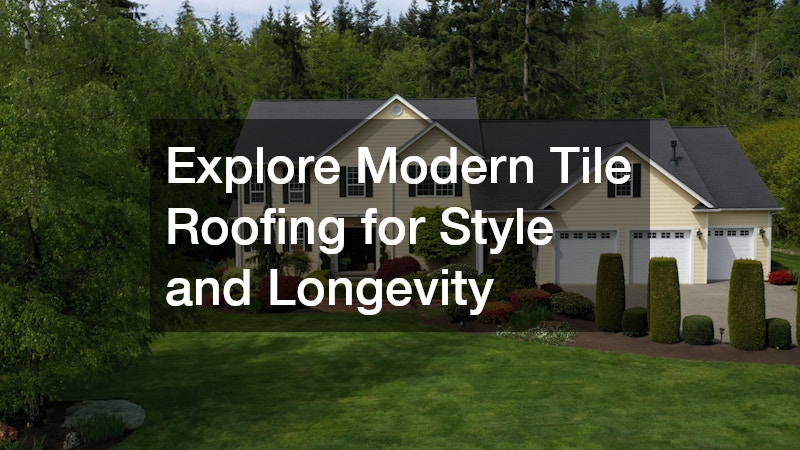
Tile roofing has become a popular choice for modern homes due to its durability and timeless aesthetic. It offers a unique combination of visual appeal and long-term performance that appeals to many homeowners. With proper planning, it can be one of the most reliable options available. Its ability to withstand harsh conditions while maintaining its appearance makes it especially attractive. Many homeowners choose tile for both its beauty and its resilience.
Tile roof installation requires careful planning, as the material is heavier than many alternatives. A skilled roofing contractor is essential to ensure proper support and installation.
Benefits of tile roofing:
- Extremely long lifespan (often 50+ years)
- Excellent resistance to fire and weather
- Strong insulation properties
- Distinctive, upscale appearance
Practical considerations:
- Ensure your home can support the weight
- Choose between clay, concrete, or composite tiles
- Plan for occasional tile replacement if cracks occur
Tile roofing offers a balance of beauty and durability that’s hard to match. With the right installation and maintenance, it can protect your home for decades. This makes it a worthwhile option for homeowners seeking long-term performance and style.
Consider Flat Roofing for Contemporary Home Designs
Flat roofs are a hallmark of modern architecture, offering clean lines and versatile functionality. They are especially popular in urban environments and contemporary home designs where minimalism is key. Their design also opens up additional usable space. This added functionality can be used for outdoor living areas or housing equipment like HVAC systems. As a result, flat roofs are both practical and visually appealing.
Flat roof installation requires precision, particularly when it comes to drainage and waterproofing. Without proper planning, issues like water pooling can quickly arise.
Advantages of flat roofs:
- Sleek, modern appearance
- Usable space for patios or equipment
- Easier access for maintenance
- Typically, lower material costs
Best practices for performance:
- Install proper drainage systems to prevent water buildup
- Use high-quality waterproof membranes
- Schedule regular inspections after roofing installation
Flat roofs can be highly functional and stylish when installed correctly. Paying attention to drainage and materials ensures long-term success. Proper care and planning will help maximize both performance and lifespan.
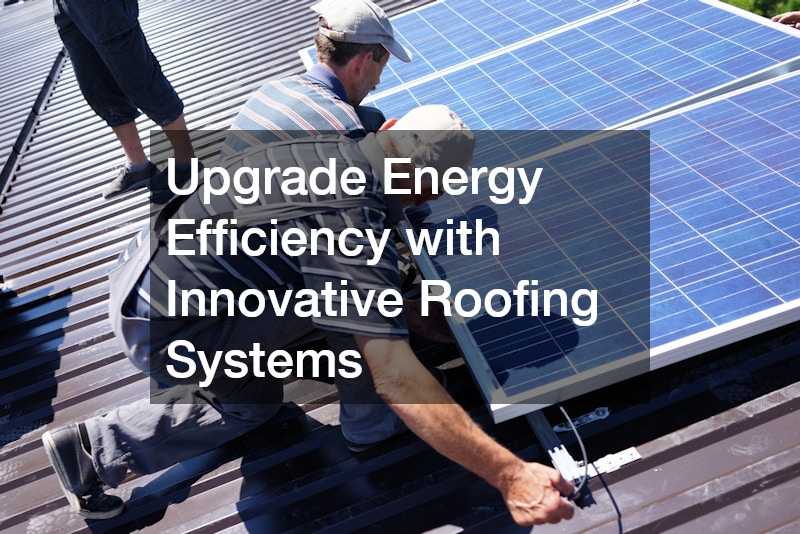
Upgrade Energy Efficiency with Innovative Roofing Systems
Energy efficiency is a major consideration for modern homeowners, and roofing plays a critical role in reducing overall energy consumption. A well-designed system can help regulate indoor temperatures and reduce utility costs year-round. This makes energy-focused upgrades increasingly popular. Improving energy efficiency can also contribute to a more sustainable and environmentally friendly home.
Spray foam roofing is an effective option due to its insulation properties and seamless application. It works well alongside residential solar services to further enhance energy savings.
Energy-efficient solutions to consider:
- Reflective coatings to reduce heat absorption
- Insulated systems for better temperature control
- Integration with residential solar services for renewable energy
Tips for maximizing efficiency:
- Combine insulation and reflective materials for the best results
- Ensure proper installation to avoid energy loss
- Evaluate long-term savings when choosing systems
Modern roofing technologies can significantly lower utility bills while improving comfort. Investing in energy-efficient solutions also adds long-term value to your home. These systems help create a more comfortable and cost-effective living environment.
Compare Popular Roofing Materials for Modern Homes
With so many materials available, comparing options side by side helps homeowners make informed decisions. Each type offers different benefits in terms of cost, durability, and appearance. Understanding these differences is key to choosing the right solution. Taking the time to evaluate each option can prevent regret later on.
Some materials require more frequent roof replacements, while others, like those used in tile roof installation, are designed for longevity.
Common roofing materials:
- Asphalt shingles: Affordable and widely used
- Metal roofing: Durable and energy-efficient
- Tile roofing: Long-lasting and visually appealing
- Foam systems: Lightweight and highly insulating
Comparison factors:
- Cost vs lifespan
- Maintenance requirements
- Weather resistance
- Aesthetic appeal
Decision tips:
- Consider how often you’re willing to handle roof replacements
- Evaluate whether tile roof installation fits your home’s structure
- Balance style with practicality
Carefully comparing materials ensures you select the best fit for your needs. This step can prevent costly changes or dissatisfaction later on. It also gives you confidence in your final decision.
Plan for Maintenance and Preventive Care Early
Even the best roofing systems require ongoing maintenance to perform at their best. Ignoring small issues can quickly lead to larger, more expensive problems. A proactive approach helps extend the life of your roof. Regular upkeep is essential for maintaining both performance and appearance over time.
Routine inspections and professional roofing service visits are essential to identifying issues before they require major roof repairs.
Essential maintenance tasks:
- Inspect for damage after storms
- Clean gutters and drainage systems
- Check for leaks or moisture buildup
- Replace damaged materials promptly
Preventative strategies:
- Schedule annual inspections with a roofing service provider
- Address minor concerns before they escalate into costly roof repairs
- Keep records of maintenance and inspections
Staying ahead of maintenance helps protect your investment and ensures your roof continues to perform effectively. It also reduces the likelihood of unexpected repair costs. Over time, this proactive approach leads to greater peace of mind.
Work Effectively with Professionals for Best Results
Hiring the right professionals can make or break your roofing project. Quality workmanship ensures durability, safety, and long-term performance. Taking time to choose the right team is essential. The expertise of skilled professionals can significantly impact the success of your project.
Experienced roofers bring valuable expertise and efficiency to the process, while a reliable roofing contractor helps manage the project from start to finish.
How to choose the right team:
- Verify licenses and insurance
- Check reviews and past project examples
- Request detailed estimates and timelines
- Ask about warranties and guarantees
Communication tips:
- Set clear expectations from the start
- Maintain regular updates throughout the project
- Address concerns immediately
Working with skilled professionals ensures your project runs smoothly. It also gives you confidence that the final result will meet your expectations. Strong communication and planning help ensure a successful outcome.
Future-Proof Your Home with Smart Roofing Choices
Modern roofing continues to evolve, offering homeowners more advanced and sustainable options. Planning ahead allows you to take advantage of new technologies that improve efficiency and durability. Future-focused decisions can increase both comfort and property value. Staying informed about innovations helps you make smarter long-term choices.
Innovations such as residential solar services and spray foam roofing are transforming how roofs function, making them more than just protective barriers.
Emerging trends:
- Smart roofing systems with energy monitoring
- Eco-friendly materials with lower environmental impact
- Integration with residential solar services for renewable energy
Long-term planning tips:
- Consider adaptability when choosing materials
- Invest in systems like spray foam roofing for improved insulation
- Stay informed about new technologies and upgrades
Future-proofing your roof ensures it remains effective for years to come. It also positions your home to benefit from advancements in energy and sustainability. This approach helps maximize both performance and long-term value.
Making the Right Roofing Decision for Your Home
Selecting the best roofing option for a modern home requires careful planning and a clear understanding of your priorities. From structural considerations to energy efficiency and long-term maintenance, every decision plays a role in overall performance. Taking the time to evaluate all factors ensures you make a choice that fits both your current needs and future goals. A thoughtful approach can help you avoid common mistakes and costly revisions.
By taking a strategic approach and working with experienced professionals, homeowners can create a roofing system that enhances both protection and value. Thoughtful planning today leads to fewer issues in the future and ensures your home remains comfortable, efficient, and well-protected for years to come.